
Get Clear answers to common questions about our Discovery call, our process and how we help Georgia families protect what matters most.
You’ll speak with a case coordinator, not an attorney.
The Discovery Call is a conversation focused on understanding your situation, your concerns and what you’re hoping to accomplish.
Our job isn’t to convince you that you need something. It’s to determine whether there’s a fit between what you’re looking for and the type of planning we provide.
By the end of the call, you’ll understanding whether taking the next step with Bascom Law makes sense for you.
If it makes sense to continue, the next step is a Design Meeting with an attorney.
During that meeting, you’ll discuss your goals, concerns, and planning needs in greater detail. Your attorney will help identify the legal strategies that may be appropriate for your situation.
If moving forward doesn’t make sense, there’s no obligation to continue.
Yes.
For many people, estate planning moves from “something I should do someday” to “something I need to think about now” after a significant life event.
Maybe you’ve welcomed a child, experienced a loss, received a diagnosis, watched someone you know go through probate, moved to Georgia, or simply reached a point where the future feels more important than it did before.
If something has changed that’s making you question whether your family, assets, or wishes are properly protected, a Discovery Call is a good place to start.
Yes.
Knowing which document you want and knowing which strategy will accomplish your goals aren’t always the same thing.
You may come to us thinking you need a Will, Trust, or another specific document. Before recommending anything, we want to understand what you’re trying to protect, prevent, or accomplish.
That allows us to determine whether the planning you’re considering actually aligns with your goals—before you invest your time and money.
The Discovery Call should include everyone who will be involved in making decisions about the estate plan.
For most married couples, that means both spouses should attend. Estate planning involves shared goals, assets, and decisions that affect both people.
Having everyone involved from the beginning means we can understand each person’s priorities and concerns without having important conversations repeated later.
No. You don’t need to gather legal or financial documents for your Discovery Call.
Before scheduling, we’ll ask you to complete a brief questionnaire called a Personal Data Collector. It gives us a high-level understanding of your family, assets, and planning goals so we can make the conversation more productive.
You don’t need to have every answer. Just give us enough context to understand what brought you to us and what you’d like help with.
No. Your Discovery Call is with one of our non-attorney Case Coordinators.
Their role is to understand what brought you to us, learn what you’re hoping to accomplish, explain how our process works, and determine whether Bascom Law may be a good fit.
If it makes sense to move forward, your next step is a Design Meeting with an attorney, where you’ll receive legal advice specific to your situation.
There isn’t one price for an estate plan because there isn’t one estate plan that’s right for every family.
The investment depends on your circumstances, what you’re trying to accomplish, and the planning strategy required to accomplish it.
Before you decide whether to meet with an attorney, we’ll explain the investment range associated with the planning options that may fit your situation.
You’ll have that information before deciding whether you’d like to take the next step.
That’s a fair question.
Our fees are based on the planning required to accomplish your goals—not the number of documents in a package.
Two families may both ask for a Trust but have completely different concerns involving their assets, children, taxes, long-term care, or family dynamics. The appropriate strategy—and therefore the investment—may be very different.
That’s why we don’t want to quote you for a solution before we understand the problem.
Once we understand your situation, we’ll explain the planning options that may fit and the associated investment range so you can decide whether moving forward makes sense.
Yes.
Before scheduling a Design Meeting with an attorney, you’ll understand:
• The planning options that may fit your situation
• The investment range associated with those options
• What the next step would look like
You’ll have that information before deciding whether you’d like to continue.
We serve families throughout Georgia with offices in Cumming, Columbus, and Macon.
Discovery Calls are available by phone or Zoom. If you decide to move forward, meetings with our team may be available by phone, Zoom, or in person depending on your needs and the stage of the planning process.
You don’t need to live near one of our offices to start the conversation.
That’s very common. Many families come to us with an Estate Plan that was created years ago, prepared in another state, or completed by another attorney.
Rather than taking responsibility for another attorney’s work or charging you for the time required to review and revise each existing document, our attorneys will typically recommend creating a new plan based on your current circumstances and Georgia law.
In many cases, starting fresh is actually more cost-effective than having an attorney analyze and redline an entire existing plan—and it allows us to make sure all parts of your new plan are designed to work together.
If you decide to move forward, we’ll guide you through replacing or revoking the appropriate parts of your prior plan so you’re not left wondering which documents control.
We prepare Wills, Trusts, and other estate planning documents—but we don’t begin by deciding which documents you need.
We begin with what you’re trying to accomplish. Depending on your family, assets, concerns, and goals, the appropriate strategy may include a Will, a revocable or irrevocable Trust, powers of attorney, health care directives, or other planning.
The documents support the strategy—not the other way around.
Yes. We help Georgia families plan for long-term care as well as respond when care is becoming an immediate need.
If you’re planning ahead, we can discuss strategies designed to protect assets and prepare for potential future care costs.
If you or a loved one is already in a nursing home—or may need nursing home care soon—let us know when you contact us. These situations can be time-sensitive, and our team will determine the appropriate next step based on your circumstances.
Yes. Medicaid applications can involve extensive financial information, documentation, and follow-up.
Our team can help guide you through the application process, organize the required information, address issues that arise, and help you understand what to expect along the way.
If you’re looking for help with a Medicaid application, tell us when you first contact our office so we can understand where you are in the process.
No.
In fact, we’d rather you tell us what’s happening in your life and what you’re concerned about than try to determine which legal solution you need on your own.
You might know you want to avoid probate, protect your children, preserve assets from long-term care costs, update an old plan, or simply make things easier for your family someday.
Start there. Our process is designed to help determine what planning, if any, makes sense from there.
A Discovery Call makes the most sense when you’ve decided there is something you want to address and you’re ready to explore whether Bascom Law is the right firm to help you solve it.
You don’t need to know which Estate Plan, Trust, or legal strategy you need—that’s part of our process. But you should be ready to have a meaningful conversation about what’s important to you and whether you’re prepared to take the next step if we’re a good fit.
During the call, we’ll discuss your situation, explain how our process works, and review the planning options and investment range that may apply to you.
By the end of the conversation, the goal is for both of us to have enough clarity to decide whether moving forward together makes sense.
Maybe—but what seems simple on the surface doesn’t always tell us what planning will actually accomplish your goals.
A Will may be appropriate in some situations. In others, considerations like probate, incapacity, how assets are titled, family circumstances, or long-term care concerns may change the recommendation.
That’s why we first understand what you’re trying to protect, avoid, or accomplish, then determine what planning may make sense.
Yes. Estate planning isn’t only about how much money you have. It’s also about who can make decisions for you if you’re unable to, who receives your assets, and making things easier for the people you care about.
The right plan depends on your family, assets, concerns, and what you want to accomplish—not simply the size of your estate.
Not necessarily. What happens can depend on how your assets are owned, beneficiary designations, and whether you have an Estate Plan in place.
Part of comprehensive planning is making sure your assets and your Estate Plan work together so your wishes can be carried out as intended.
Your family may know what you want, but knowing your wishes and having the legal authority and instructions to carry them out are two different things.
A comprehensive Estate Plan helps clarify who has authority to act, what they’re supposed to do, and how your wishes should be carried out—so the people you care about aren’t left making difficult decisions without guidance.
Planning ahead can give you more options and more control if your care needs change later.
Long-term care planning isn’t just about nursing homes. It’s about understanding how future care could affect where you receive care, your finances, and the assets you’ve worked to build—before you’re facing those decisions in a crisis.
This is a good bridge into your Nursing Home Protection/long-term-care planning service without getting overly educational about Medicaid rules.
Our Goal is Simple
You deserve to understand your options before you make any decisions. That’s why we start with a conversation, not a sales pitch.
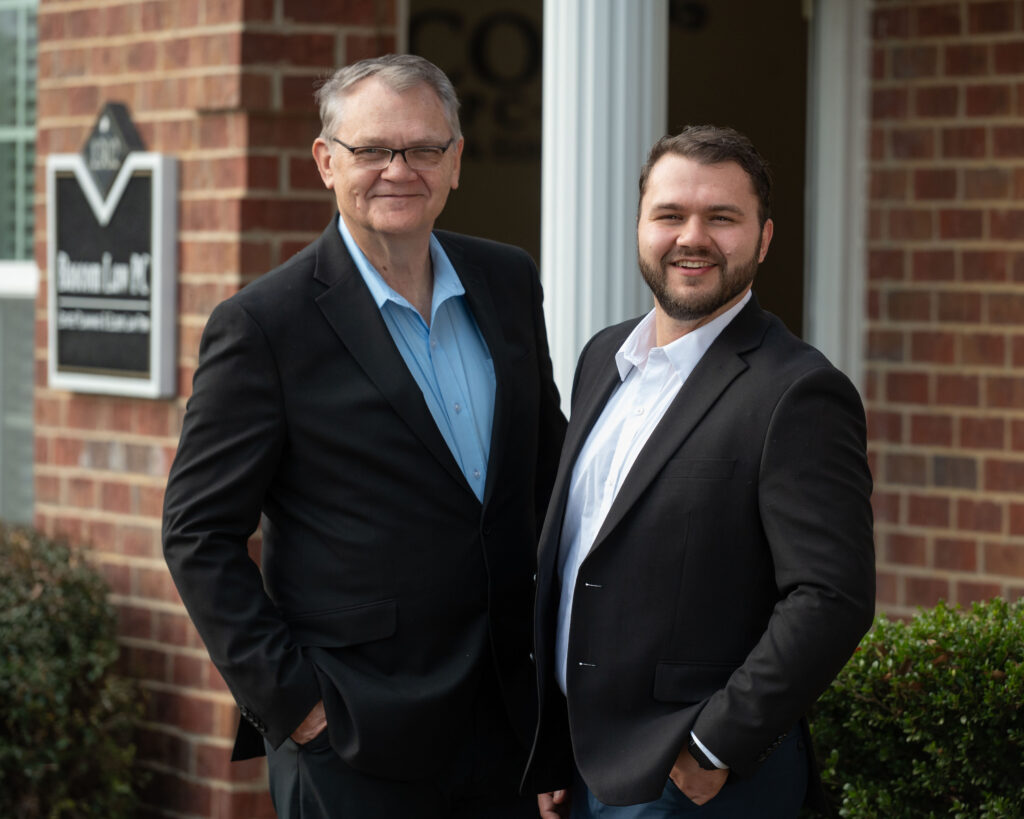
Tell us what’s on your mind and we”ll help you find the answers you need.
No obligation. Just a real conversation.